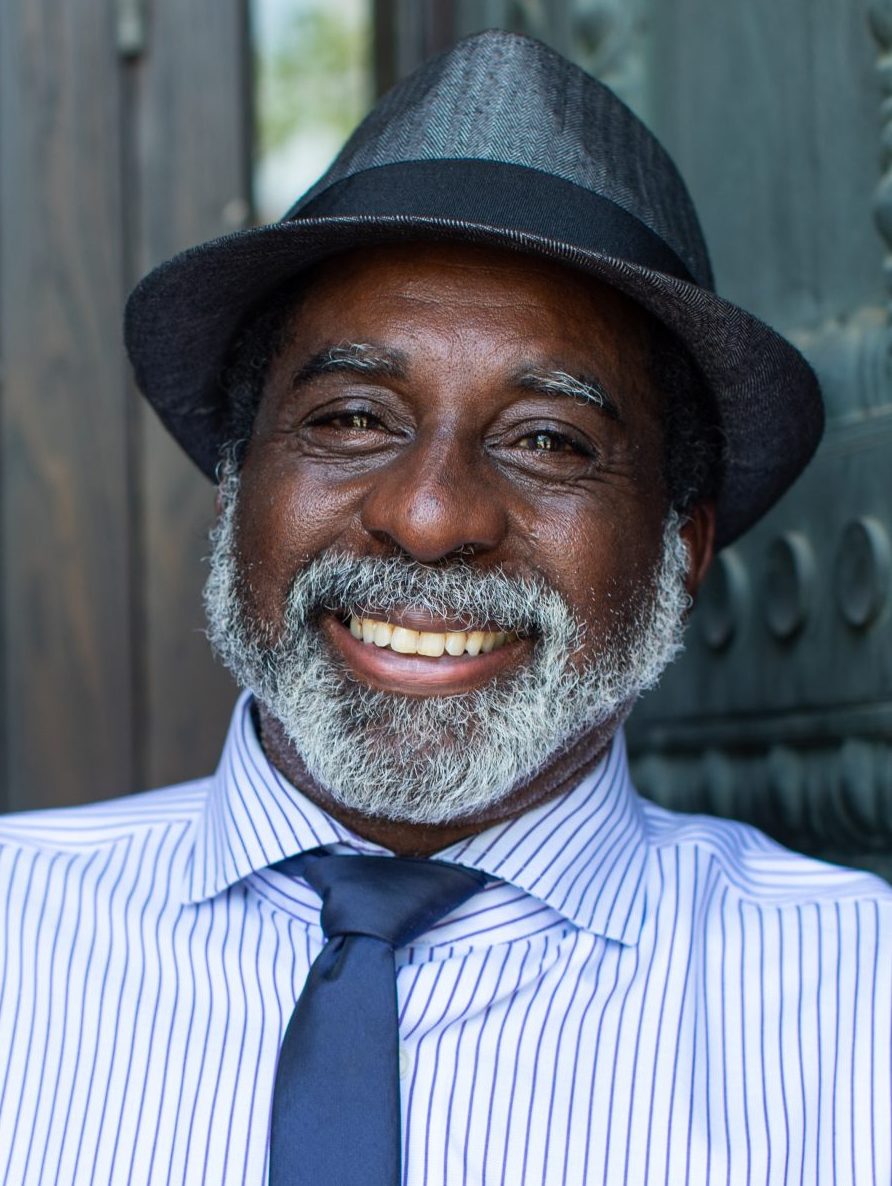

Take it from a veteran who’s been homeless: Just because you see me in the streets doesn’t mean I’m not working.
After their service, many veterans struggle with low-wage work, mental health issues, and challenges with their families. It’s something most people don’t want to talk about, but it’s all too real for veterans across the country — including me.
For years, I’ve oscillated between stable work and transitional housing. At different times, I’ve slept in shelters, outside the public library, or back in the woods. I’ve been a volunteer advocate for veterans experiencing homelessness because I’ve experienced it myself.
For me (like so many others), things came to a head during the pandemic. During those difficult years, I lost contracts at work, lost my transportation, and separated from my wife. And unfortunately, I wasn’t able to get the help I needed from the Veterans Administration.
My situation wasn’t due simply to poor choices or a lack of fortitude — I was in the military, so I know how to be strong and resourceful. It’s because our frayed social safety net isn’t working, turning temporary setbacks into more enduring problems.
I’m an independent contractor. Gigs evaporated during the pandemic, which started the spiral. I’ve gotten back into more steady employment since then, but it’s very difficult for gig workers to access government assistance programs like SNAP.
We don’t often have the rigorous documentation, fixed addresses, or steady work required to jump through the complex hoops to access assistance when we need it. The GOP’s new “work requirements” for SNAP benefits — which are more accurately described as burdensome paperwork requirements — will make this even more difficult.
There’s also the problem of the “benefits cliff” — that is, the abrupt cancellation of all benefits if you earn even a little over a maximum allowable amount. So even when I’m able to qualify for SNAP and get some food on my table, I’m faced with a quandary the next time a gig comes in: Should I take that $400 job if it means losing my food stamp allowance?
Choices like these put working people in an impossible position. And don’t get me started on trying to access more benefits through the Veterans Administration — navigating the bureaucracy practically requires a doctorate.
But as difficult as it was, the pandemic did have its bright sides. Under the last administration’s American Rescue Plan, many programs were expanded, and a lot of red tape was cut. It was easier to apply for SNAP, Medicaid, unemployment, and other help.
It was a time when the government worked directly to lower unemployment rates, giving workers more power to bargain for higher wages. It kept me afloat long enough to find a temporary housing situation and to continue working.
Unfortunately, those expansions eventually expired — and under the new administration, more benefits are being cut and more red tape imposed. Unsurprisingly, poverty and homelessness have both increased. President Trump’s 2027 budget proposal proposes even more cuts to antipoverty programs.
As a veteran, I served my country. As a volunteer, I served my community. Yet the structural barriers to economic security lurk behind every closed door. I’m finally once again in a transitional housing situation and praying it lasts long enough for me to finally access the V.A. benefits I’m owed.
My story isn’t unique. Homeless veterans — and all people in this country — deserve access to higher paying jobs and more affordable health care. We need robust safety net programs like Medicaid, SNAP, and public housing, with more stable benefits and less red tape. And we need to make sure there’s support for people without housing to navigate these programs and get help.
I want to see the country I fought for invest more in everyday people, families, and communities so we don’t have to suffer just to get by. I served my country — I’m still waiting for it to fulfill its promise to serve me back.