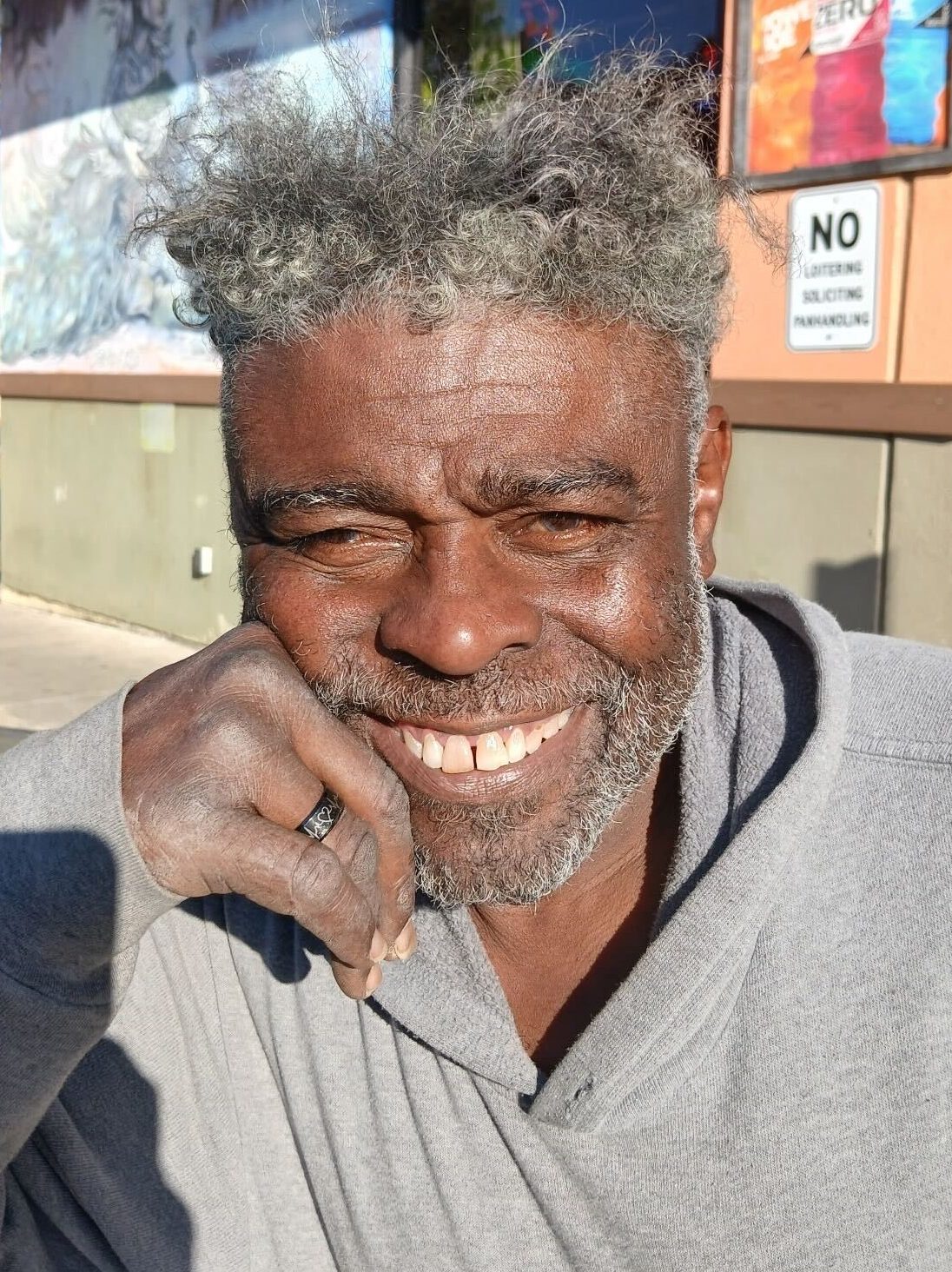

Between the three of us, we’ve experienced homelessness in Kentucky, Texas, and New York — different places, same crisis. We’ve all cycled through jails, emergency rooms, and shelters. We’ve all struggled with mental health, trauma, and drug use while living on the streets.
But we’ve also all experienced stable housing through programs that offered us dignity: they gave us homes first, then offered support to rebuild our lives.
That’s why we’re contributing our voices to a new report called “The Way Home: Social and Supportive Housing,” which makes the case for linking social housing with supportive services. This kind of supportive housing can change everything.
For Sandra, the Arthur Street Hotel in Louisville didn’t require her to get clean first or prove she was “housing ready.” They helped her get an ID, birth certificate, and Social Security card. The outreach and supportive systems gave Sandra what she needed for safety and stability. Two years later, she’s still housed — and like many others, was able to get into recovery and hasn’t used drugs since.
Marianne found stability at Safe Haven in New York. It gave her a roof over her head, and a place to eat, sleep, and shower. After years of sleeping on sidewalks, stoops, and trains, she finally had shelter — but also caseworkers to check in on her. The model helped her address mental health and trauma from living on the streets. For her, supportive housing wasn’t just a place to stay — it was a place she could build back up her confidence and sense of self.
After becoming unhoused in 2019, Tony finally found housing with a temporary housing voucher. Eventually, his voucher ended and he ended up on the streets again. Still, he uses his voice and shares his experience with the community, helping others navigate the same hurdles he did. To this day, there’s still not enough permanent housing in Austin, so Tony visits state lawmakers at the capitol to advocate more supportive housing opportunities.
We’re speaking out now because we see a critical moment. Some 771,480 people experienced homelessness nationwide in January 2024, half of renters pay more than they can afford, and more than 300 cities have criminalized homelessness — as if you can arrest your way out of a housing crisis.
In a more hopeful sign, we’re also seeing cities across the country starting to discuss social housing — permanently affordable housing under public control, protected from corporate landlords. That’s a positive development.
But if these housing programs don’t also plan supportive services for people with disabilities, criminal records, and mental health struggles, then they risk leaving people out on the streets.
Supportive housing benefits entire communities. Research from a five-year study in Denver, for example, found that supportive housing residents experienced significantly fewer police contacts and arrests while maintaining high housing retention rates. What’s more, emergency service savings substantially offset program costs.
When our most vulnerable neighbors have their needs met, in other words, our communities don’t have to waste taxpayer dollars on piecemeal solutions that don’t work.
Cities and states must develop social housing programs that plan for integrated services and create ways to track whether they’re reaching people with disabilities, experiencing homelessness, or returning from incarceration. Social housing is our best chance to address the crisis in a way that includes everyone. But only if we’re intentional about centering the most marginalized from the start.
We’re not statistics or problems. Sandra helps others find housing. Marianne has her confidence back. Tony continues to advocate for his community. We’re neighbors with skills, dreams, and contributions to make.
The way home exists. We’re living proof. Now let’s make sure that path is available to everyone who needs it. Social housing with supportive services isn’t just good policy — it’s the common sense, moral approach that creates communities where everyone can thrive.